Photographer's Paradox
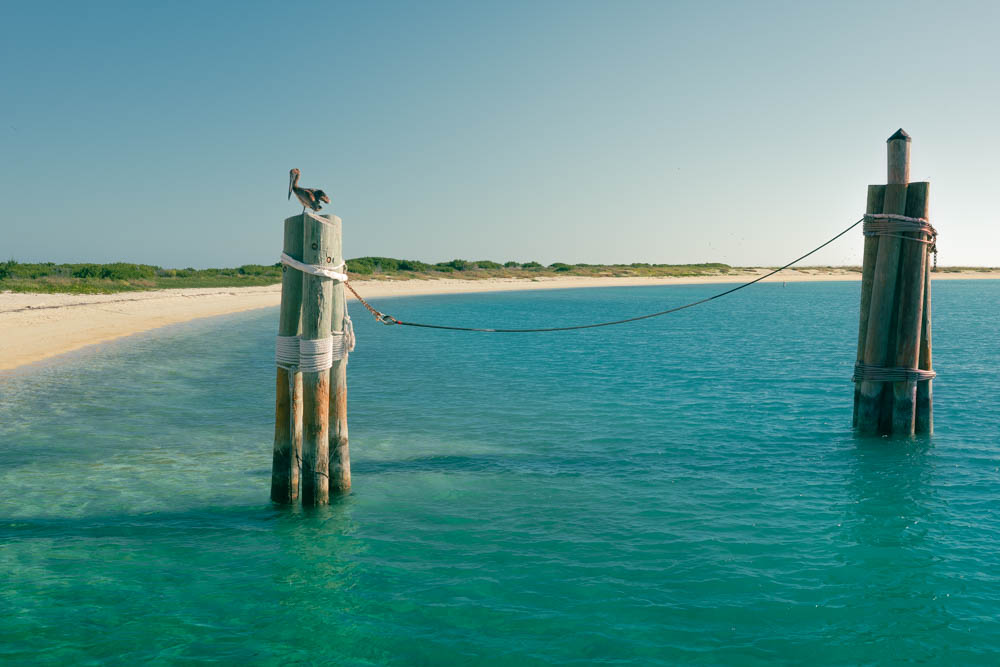
It seems to me that artists innately aspire to communicate a vision, with such reverence for its intricacy and obsession over its clarity that impeccability becomes their virtue as much as their vice. It might be their own vision that they weave into a work, or that of a patron… visions of melancholy, drama, exuberance, awe, beauty… Sometimes, it is even the audience’s own, hidden vision that the artist sets as his goal to touch, evoke and even converse with through the language of their medium. It might happen in the way the viewer’s eyes graze across the intentional composition of a picture, passing from observation to question; or in how a listener’s heart follows a melody, each of its emotions anticipated by the composer and carefully answered with the next note.
Photographers, too, have a vision. Sometimes I will come across some arrangement of nature, and it immediately sparks in my mind a frame, a picture, with all the details filled out for me. But try as I may, I don’t always succeed in capturing that exact portrait as it exists in my imagination. Maybe I cannot walk to the right spot, for the terrain does not allow it; or the light is not quite right, or there is some distraction here or the proportions too wrong over there, etc.
These moments are challenging. They almost feel like failure. It feels like being mute; I have something to show, something valuable that I would like to share, but alas, it remains trapped within me. I am beauty’s own prison, I might think to myself.
There is something to be said in the way of needing to persevere. Often the right composition takes a little “massaging”, some restless curiosity imbued in one’s feet to discover. Often the right environmental factors just need to align at the proper time, one which can’t be scheduled.
On the other hand, I’ve thought, a photographer is a special kind of an artist. What he captures, he cannot have purely imagined. What he shares is real, tangible, and not purely philosophical. This is the guarantee, the gift, he provides with all his art: that the order, splendor, and beauty captured in his frame are stitched into this cosmos, the same cosmos that the listener lives in and belongs to. It is not a different one, inaccessible to others except by a sort of window, or longed for without ever being reached; it is the very same universe we all exist in that the photographer draws our attention to. The photographer might wish his audience, “Look, Mr. Frodo! There is light and beauty up there,” not in just my own head, but right here before us both. Sometimes, what we really need to hear comes with the stillness of the photograph reflecting the permanence of what it captures, something “that no shadow can touch.” I hope you permit me the legendary quote.
Admittedly, some liberties will often be taken to enhance an image. But we can also all agree that no raw photo on its own has ever seized quite the full power and force of a real experience when we’ve ever wanted it to, as though such things were too intimate to bottle up and reproduce upon command, and so we forgive these liberties quite easily. As long as the substance of the photo is sincere, then those adjustments that accentuate the emotions and thoughts of the witness behind the lens are a help, not a hindrance, to the art.
Certainly, imagination is a characteristically human ability, perhaps widely under-exercised today. And many things, just for being invisible to a camera’s lens, are no less real, and to which we have recourse to our creative powers to give form and a vehicle for communication. But some of these invisible aspects of life, like fear, hope, humor, and God, can be found emerging in physical, viewable, already “real” events that a camera can indeed capture without the need for us to speculate upon their existence or invent fictitious tales to give them life. The full smile of a child, the towering pose of a mountain at sunrise, the amusing arrangement of birds on a beach… The camera won’t let you just dream; it reserves itself, so that when you do enjoy a great photograph, it’s that special, sweet nostalgia of thinking, “Wow, that’s incredible; it was incredible, and I saw it with my own eyes!”
So I conclude, perhaps there too is merit in bumping into the boundaries of an art form which mark its promise to capture, to our delight, only what is undeniably impressed in this, our shared reality.